
Dumfries doesn't announce itself. The first time I drove through, I nearly missed the turnoff from the A75, distracted by the low green hills and the wide grey river. That was a mistake. This town, perched on the Nith, has a way of revealing itself slowly—and then all at once. You come for a quick stop and stay for the afternoon, pulled in by the smell of fresh bread from a bakery on the High Street or the sight of the old bridge, which has been carrying traffic since 1794. That bridge isn't just infrastructure;it's a reminder that Dumfries has been a crossing point for centuries, a place where people pause。
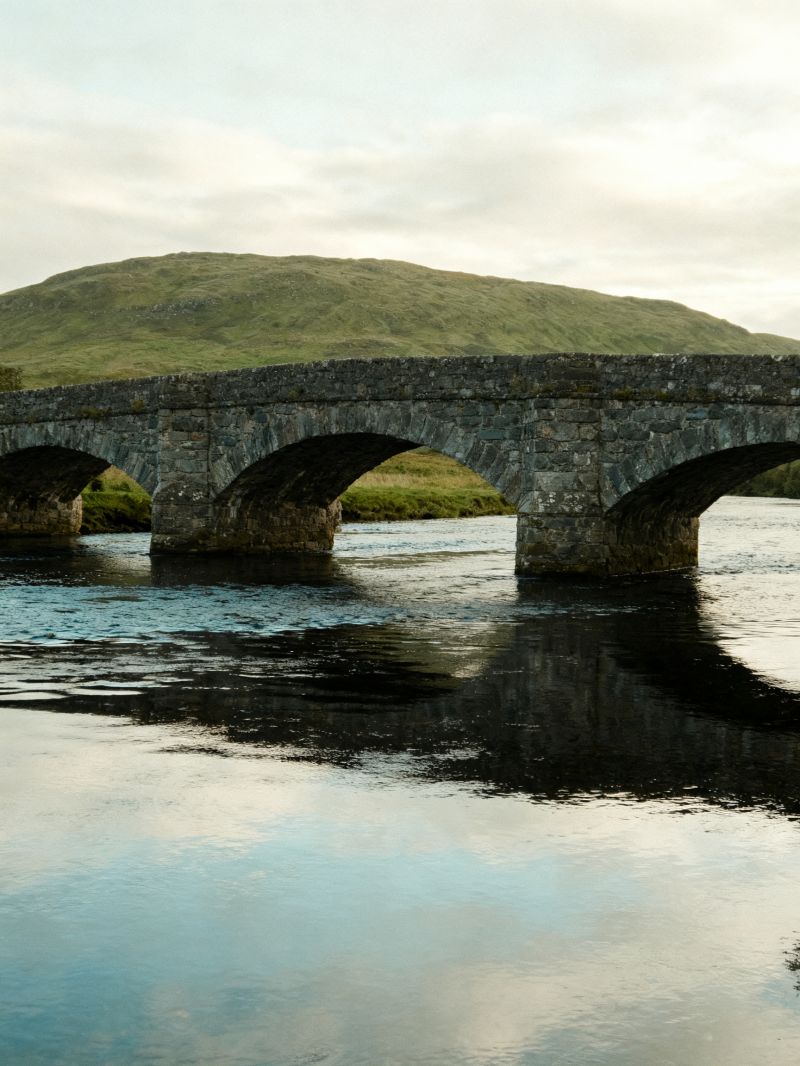
trade, and sometimes fight.History here is not confined to glass cases. Walk up to the Midsteeple, the 18th-century tolbooth that still anchors the town centre。and you can almost hear the arguments of merchants and the clang of the jail door. The building wears its age without apology—stone scarred, clock face slightly off-kilter. I once overheard a local say, "That clock's been wrong since 1936, and we like it that way." It's that kind of place: unpolished, proud, and stubbornly itself. A few streets away, the Dumfries Museum sits on a hill with a camera obscura that offers a dizzying live view of the town. On a clear day, you can see all the way to the Solway Firth, and the guide will tell you—with genuine enthusiasm—about the region's fossils and its role in the Scottish Enlightenment.Robert Burns spent his final years in Dumfries, and his presence is unavoidable. The house where he died in 1796 is now a museum, but what struck me most was the small。cramped room where he wrote some of his most famous lines. It's easy to romanticise, but the reality was likely cold, noisy, and far from glamorous. Burns was a working tax inspector here, not a celebrity. That groundedness defines Dumfries today. The town doesn't trade on nostalgia;it gets on with things. You see it in the farmers who still bring livestock to the auction mart, the independent shops that have survived out of sheer bloody-mindedness, and the way locals will chat with you at a bus stop without any preamble. It's not a tourist trap. It's a living, breathing community.
Food in Dumfries is honest and unpretentious. I had a steak pie at a pub near the river that was so good I ordered a second one, and the barman just nodded as if to say, "Aye, that happens." The town has a growing number of cafés serving locally roasted coffee, and on Saturdays the butcher's queue snakes out the door. You won't find Michelin stars, but you will find haddock fresh from the North Sea。homemade tablet, and scones that don't need jam to taste good. The river itself is worth a walk—the path along the Nith offers glimpses of herons and, if you're lucky, otters. It's a quiet kind of beauty, not dramatic, but enduring.What keeps drawing me back to Dumfries is its refusal to be easily categorised. It's not the Highlands, it's not Edinburgh, and it doesn't want to be. It's a town with a medieval heart, a literary ghost。
and a modern streak that shows up in unexpected places—like the skate park near the docks or the contemporary art gallery tucked behind a terrace of sandstone houses. The people are friendly without being performative, and the landscape is green, soft, and generous. Dumfries won't shout for your attention. But if you give it a day, it'll give you a dozen stories. And that, I think, is the mark of a place worth knowing.